History & Practice: End of the 19th Century - Differences Within Art Nouveau Across Europe13/10/2019 Art Nouveau is a decorative art style that developed around the 1890s as a rebellious counter-culture, rejecting the established academic arts' convention towards art and design. Art Nouveau was the new-hotness hitting the European art stage with flowing curves, unified design aesthetics, and dynamic forms inspired by nature. Art Nouveau ("New Art" in French) spread from France and developed unique aspects as different European countries' culture influenced their art and design. Glasgow - Scotland
The Glasgow style of art nouveau seems to have developed alongside the constraints of architecture, as such the designs are limited within relatively standard forms present on buildings. There are no impractically decorative elements included in the Glaswegian style of art nouveau, yet the decorations that are present have the nature-inspired flowing design that is common in traditional art nouveau.
 Revolving Bookshelf, 1904 - Charles Rennie Mackintosh As the Glasgow style of art nouveau developed, it became more geometrically focused. This revolving bookshelf has no natural-looking curves, it is entirely geometric in its aesthetic. This trajectory of development would lean into the Arts & Crafts movement. Madrid - Spain
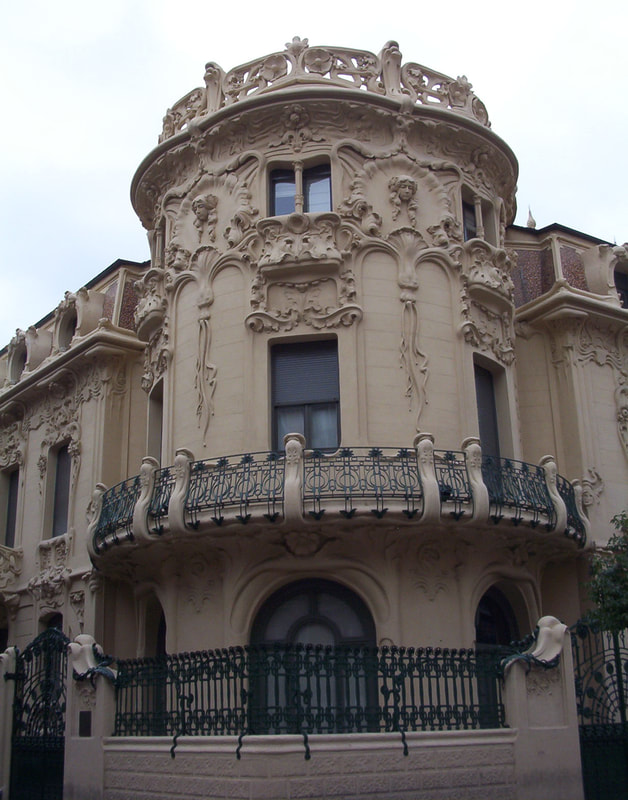
Madrid's Art Nouveau style is considerably more nature-centric when compared to the geometric themes of Glasgow's style. Floral features and organic curves are present in almost all aspects of Madrid's style, depicted in plaster, iron, and glass decorations. Nancy - France
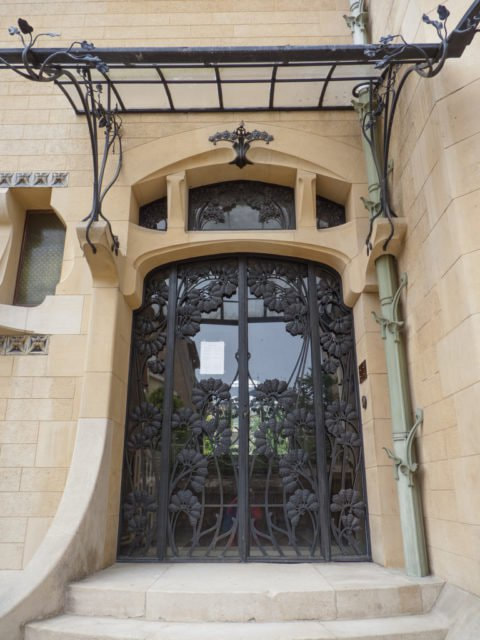
Nancy's Art Nouveau style combines several materials made more accessible due to growing industry within the region into decorative architecture. Iron and wood works provide a façade for panes of glass, clear or decorated. These fronts silhouette plant-like structures from the inside of a building, while also containing a more detailed face that projects outward. Vienna - Austria
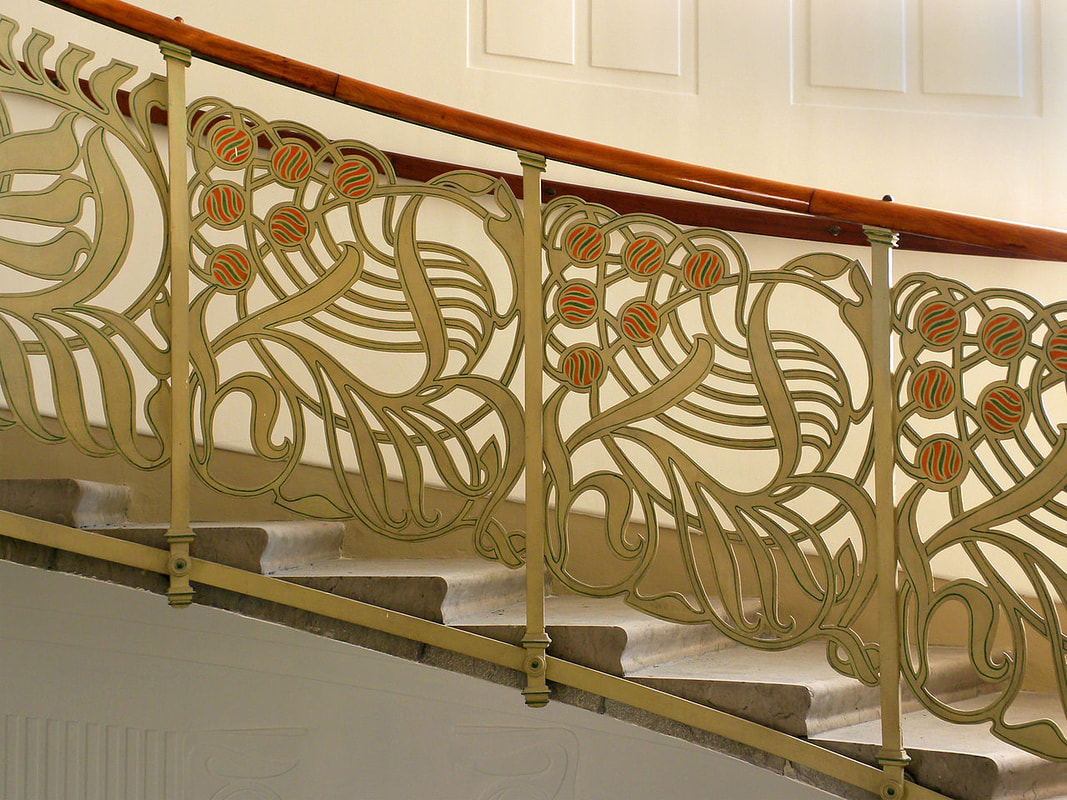
There is a clear disconnect between decorative elements and practical elements of Viennese Art Nouveau constructs. However, the decorative elements seem to be more lavish in their aesthetic, golden elements feature prominently leaving some of the less shiny assets in the design go unnoticed.
0 Comments
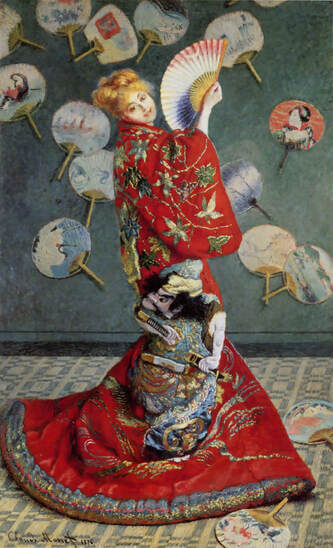
History & Practice: Japanese Art's Influence on European Art and Design in the late 19th Century6/10/2019 Japan spent over 220 years with closed borders and limited trade policies enacted in the 17th century. This policy was established off the back of the sengoku jidai, "age of civil war", resulting in a unified Japan after 148 years of military conflicts. Japan's self-imposed isolationist policy towards global affairs was forcibly ended by America via two warships in 1853, resulting in Japan trading with America (at cannon-point). This trade opened up Japanese goods and culture to the western world. Claude Monet - Case StudyClaude Monet:
Vincent Van Gogh - Case StudyVincent Van Gogh:
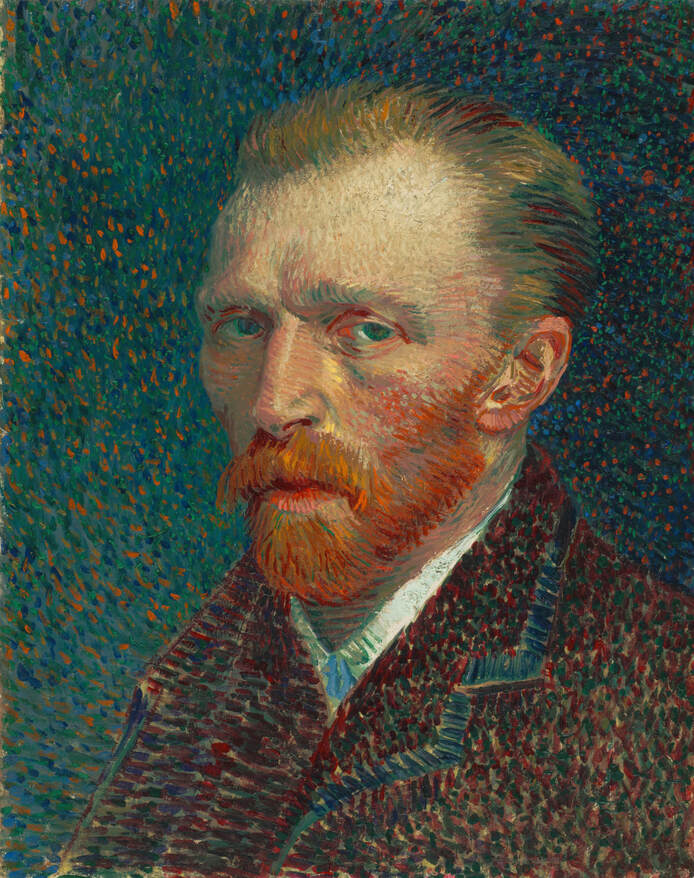 Self Portrait, 1887 - Vincent Van Gogh
Fencing Jacket - Case Study Fencing Jacket - Closed Position  Fencing Jacket - Partially Open Position Fencing Jacket - Partially Open Position Design of Form This is my SPES "Officer" Fencing Jacket it is a jacket designed for Historical European Martial Arts (HEMA). As it is designed for a specific activity, this piece of clothing primarily favours function over form, however, in this particular jacket's design considerations, form is not compromised in the least. This jacket is designed to emulate the aesthetic of historical fencing jackets of the late 19th, and early 20th century. This design appeals to some modern practitioners of HEMA as period-accurate attire displays one's interest in such things and often facilitates a discussion with fellow practitioners. Due to this jacket's unique aesthetic, especially compared to other examples of fencing jacket, it may be worn outside of fencing activities without alluding to its true, practical, purpose (provided one doesn't look at the overtly sewn-on external tags too hard). This jacket is available in several different colours (at an increased price). However, its default colour is black. Black has become the default colour for most HEMA gear, colloquially known as "HEMA Black" due to its prevalence. This, I believe, is to intentionally counter the modern sport fencing convention of having fencing equipment in all-white.  Fencing Jacket - Open Position Fencing Jacket - Open Position Design of Function As this jacket is design for HEMA, its features reflect the needs such an activity necessitates: Padded and puncture resistant material (to reduce chances of injury) High collar and folded-over neck guard (to protect the neck from errant thrusts) Overlapping chest flaps (For greater safety on critical areas) There are a few quality-of-life features built into this jacket which assist with its functionality: The Zipper has an extra-long cord attached to it. This is useful because HEMA activities usually require one to wear large and cumbersome gloves which greatly reduce dexterity, the zipper cord reduces the minimum dexterity required to operate the jacket's closure mechanism. The Sleeves have V cut-outs on the underside of them, allowing them to open up slightly. This once again, aids in the use and wearing of large protective gloves. The snap fasteners. Although made redundant by the zip (and are a huge pain in the ass to button all 9 of them up), the snap fasteners ensure the jacket cannot be opened accidentally, and incidentally make the wearer look hella cool. The Adjustable Belt allows the garment to be fitted more securely to the wearer's form, this enhances the aesthetics, and also prevents displacement of vital protective elements while in use. Although this jacket has the aesthetic of a late 19th century fencing jacket, its composed of modern elements and materials (50% Cotton - 50% Polyester outer shell, and 100% Polyester Lining) such as a zipper, and snap fasteners for its method of closure, and a built-in adjustable belt for fitting. Cultural Significance The modern resurgence of HEMA has created an interest in historically inspired equipment, thus the creation of a functional modern fencing jacket in a Victorian style. The original Victorian fencing jackets this item is based on were originally an emulation of contemporary military attire. Many European militaries had similar looking jackets present in their uniforms (some still do in ceremonial dress). The aesthetic this fencing jacket aims to emulate was present in the ages of history many HEMA practitioners source their instructive fencing material from.
|
Author:Elliot Watson, Illustrator with a background in historical swordsmanship and all the weird and wonderful trappings that entails. Archives
November 2021
Categories |










 RSS Feed